Skip to content
Traceback

01Where did this come from

Your label names
one stage.
There are six.

Made in Portugal tells you where the cloth was cut and sewn. It does not say where the fibre was grown, where the yarn was spun, where the cloth was woven, or where it was dyed. Those four stages can sit in four different countries, and the label is generally not required to name any of them.

Traceback reads your label and shows you the whole chain: the stages it names, in its own words, and the stages it leaves blank — with a written question for each blank one, ready to send to the brand.

The reader below works right now, without an account. Free plan covers five items a month.

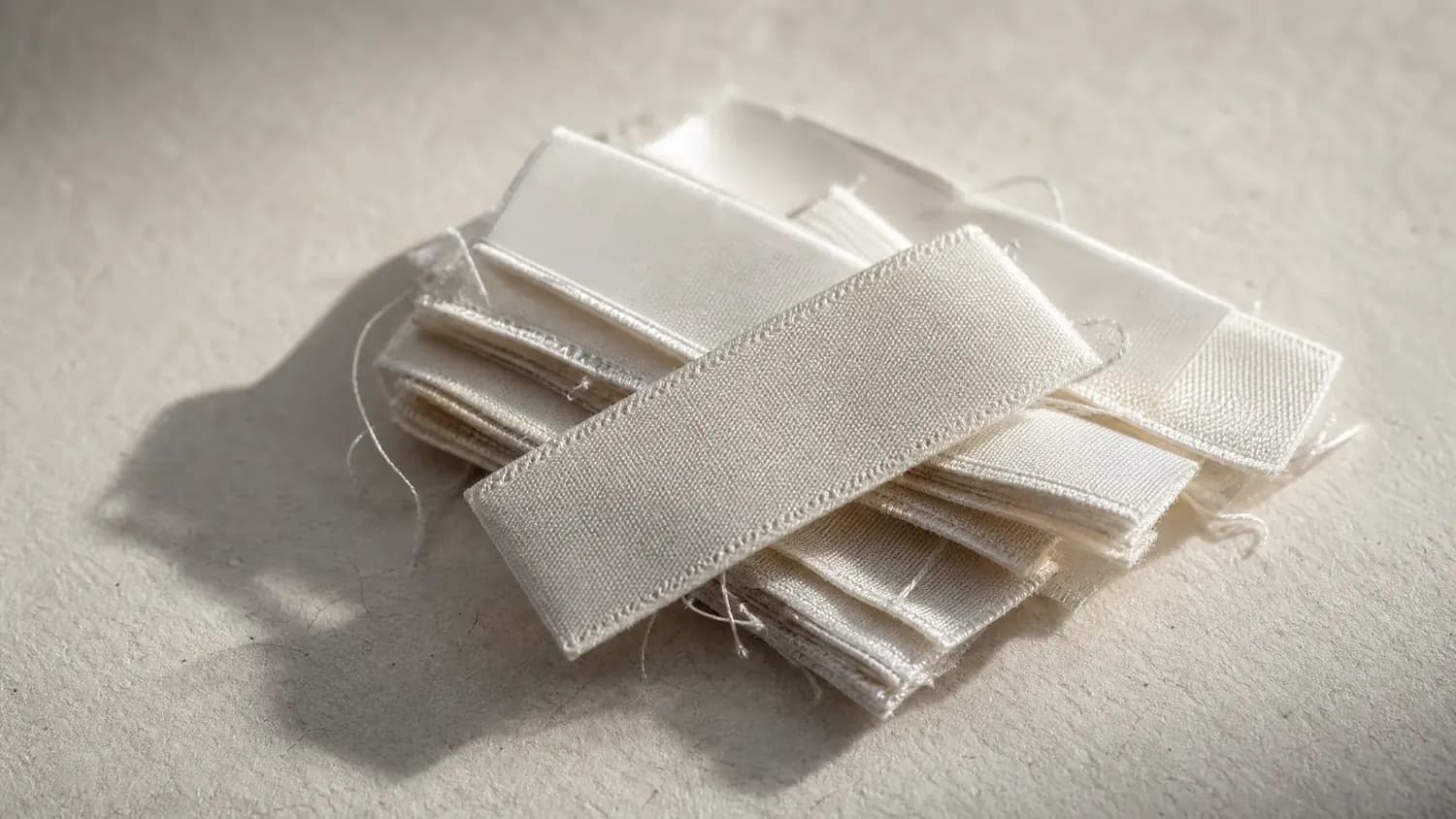
A loose stack of blank white woven garment labels on pale paper, lit from one side
A garment label is a small object carrying a very short statement. Most of what it could say, it does not.

Read a label

What the label saysMADE IN PORTUGAL

One line, one stage. This is the label almost every garment carries.

The same six stages, written out
  1. 01FibreNot stated on this label.
  2. 02SpinningNot stated on this label.
  3. 03WeavingNot stated on this label.
  4. 04DyeingNot stated on this label.
  5. 05Making upStated — the label reads “MADE IN PORTUGAL”.
  6. 06FinishingNot stated on this label.

Select any stage above. If the label left it blank, you will get the sentence to send to the brand about that stage.

A blank stage means the label doesn't say. It doesn't mean anything is being hidden — most labels aren't required to carry it.

02Two different facts

Naming a material is not
the same as naming a place.

100% COTTON tells you what the fibre is. It does not tell you which country it grew in. Both facts are about the same stage of production, and a label routinely carries the first without the second.

So the chart has three states, not two: a stage whose place is named, a stage mentioned without a place, and a stage not mentioned at all. Collapsing the middle one into either of the others would misstate what your label actually carries.

  • Macro view of a blank woven composition label on pale paper

    Composition

    StatesWhich fibres, in what proportion

    Silent onWhere any of them came from

  • Macro view of a blank folded woven origin label

    Origin

    StatesOne country, usually the last stage

    Silent onWhich stage it refers to

  • Macro view of a blank printed satin care label

    Care

    StatesHow to wash and press it

    Silent onAnything about production

03Three steps

Photograph, read, ask.

Nothing is sent anywhere on your behalf. The questions are yours to send, and the answers come back to you.

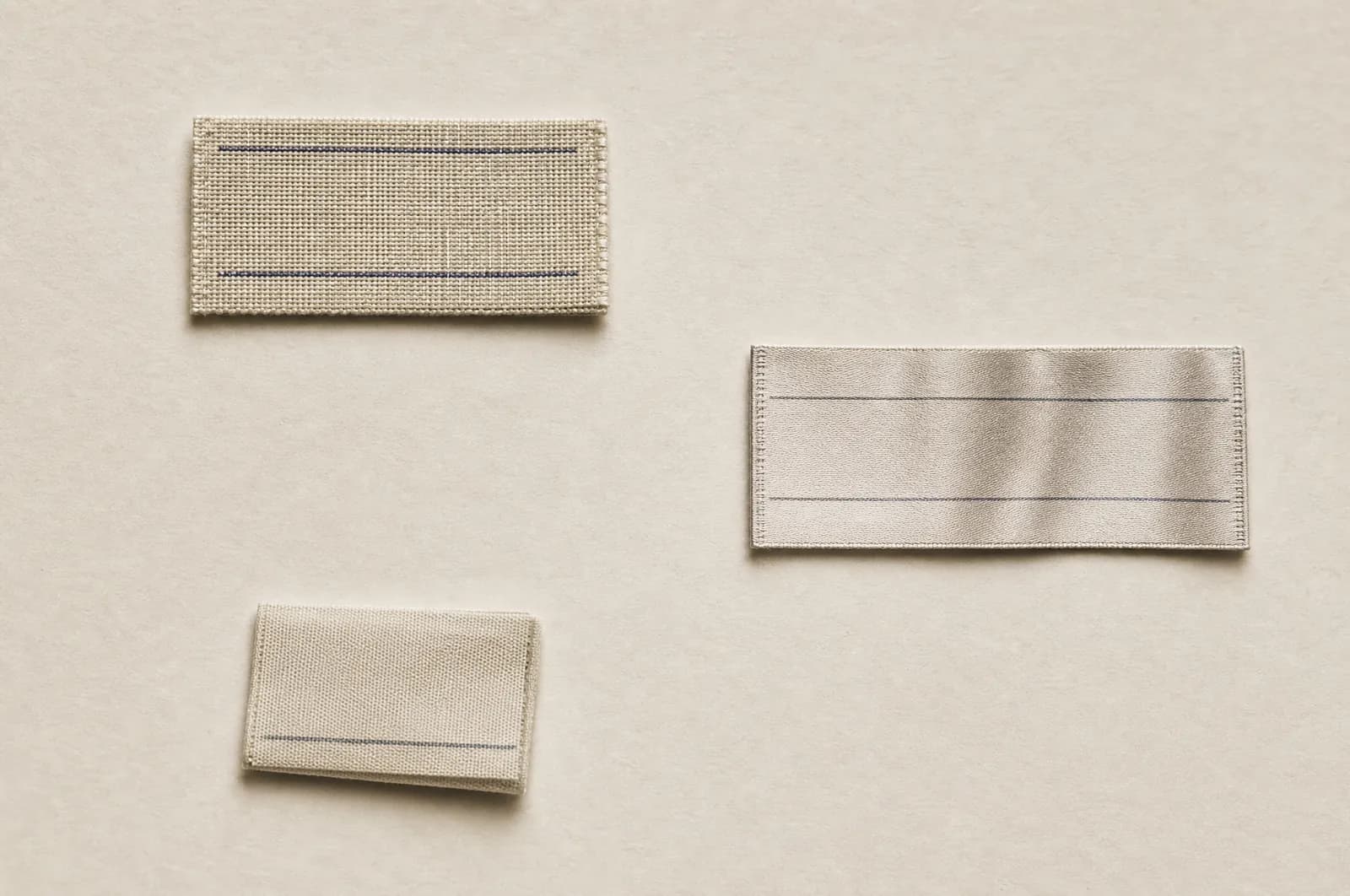
  1. Three blank garment labels laid out separately on pale paper

    01

    Photograph the labels

    Every label on the garment: composition, origin, care. More than one is normal, and when they disagree with each other that is worth seeing too.

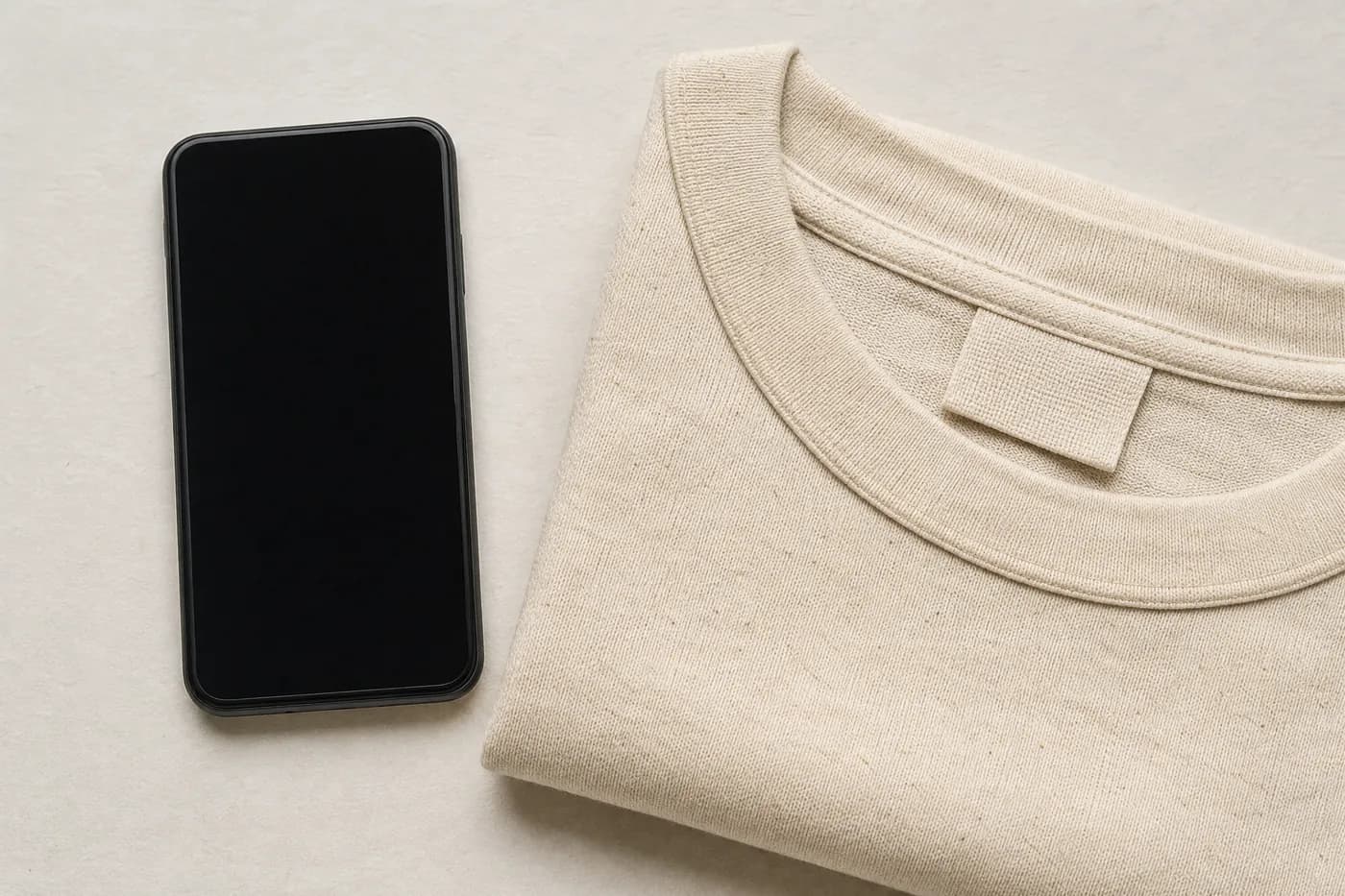
  2. A phone lying beside a folded garment with a blank woven label

    02

    See the six stages

    The chart fills only as far as the labels go. A stage they name is inked with their exact words. A stage they do not name is left hatched and marked as not stated.

  3. Macro view of a blank woven label stitched into a garment seam

    03

    Take the questions

    Every blank stage produces one written sentence, neutral in wording, ready to copy into an email to the brand. You send it. The answer comes back to you, not to us.

04What the chain is made of

Six stages, and a label that stops at one of them.

Each stage is a separate business decision, often in a separate country, made at a separate time. The garment carries no record of five of them.

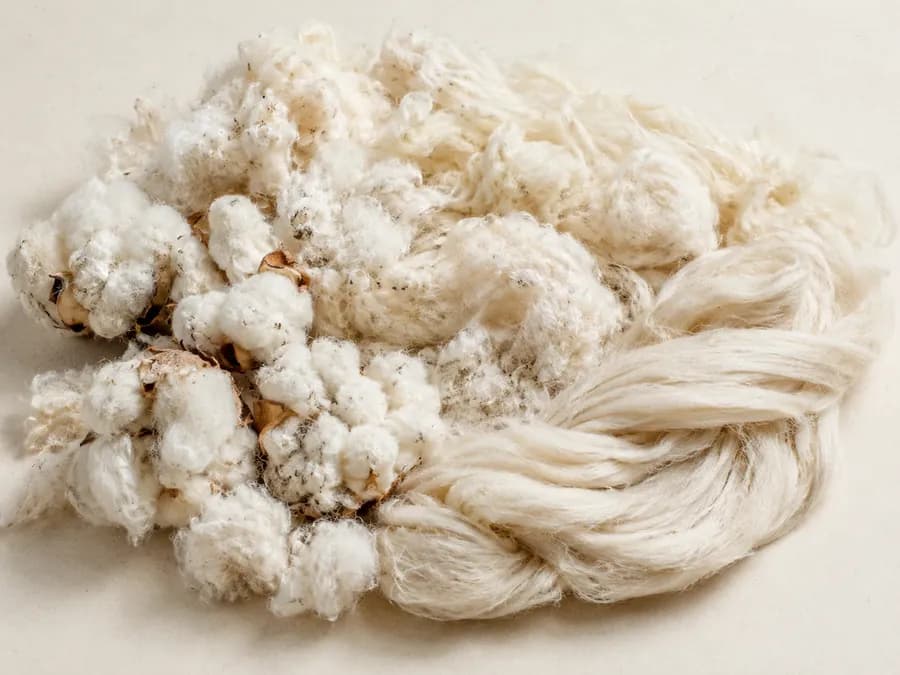
  1. Raw undyed cotton fibre and combed sliver on pale paper

    01Fibre

    Where the fibre was grown, or the filament made.

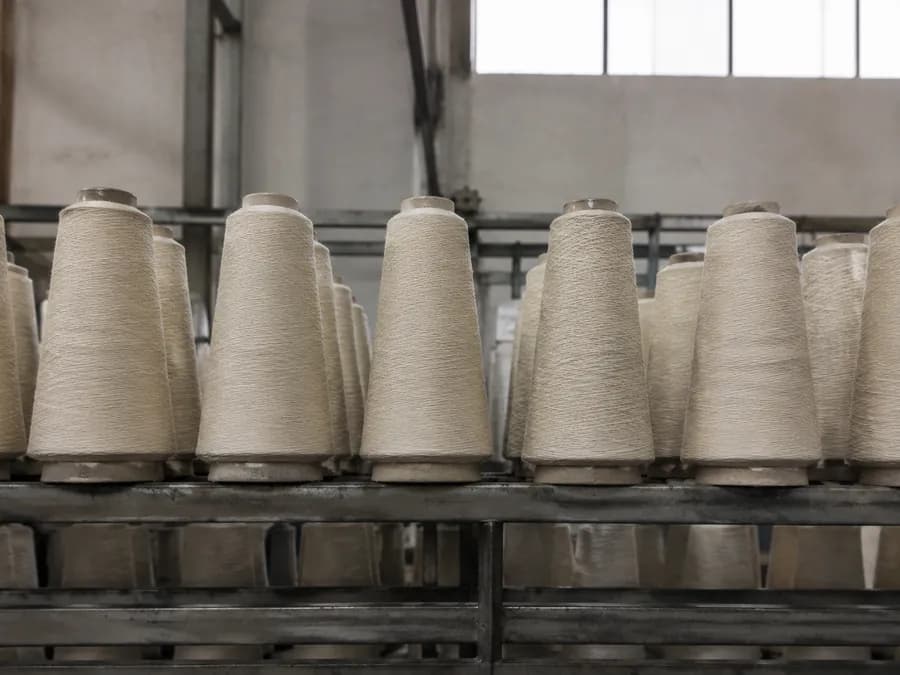
  2. A row of undyed yarn cones on a spinning frame

    02Spinning

    Where the fibre was spun into yarn.

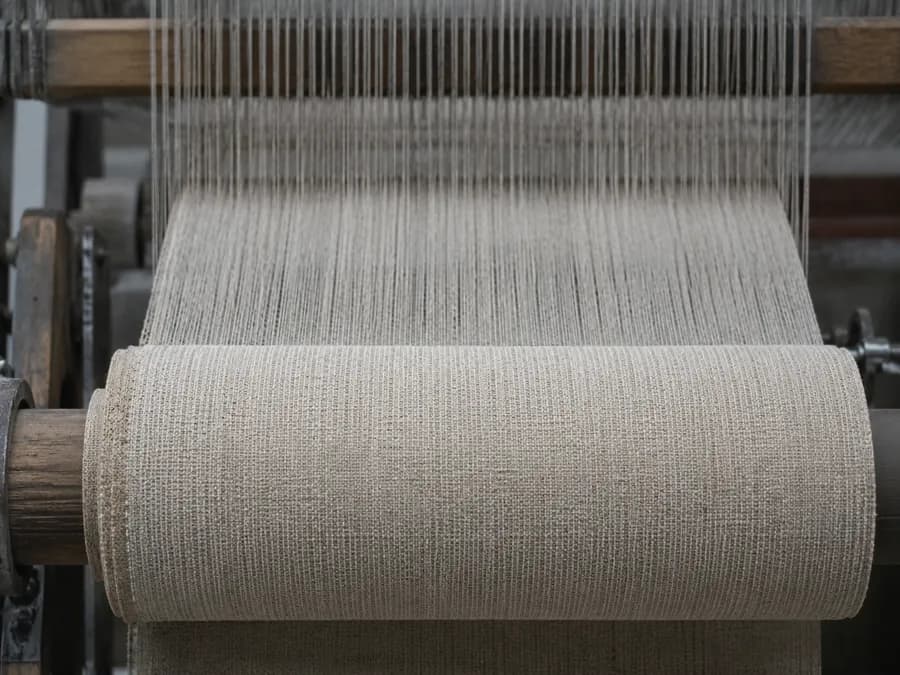
  3. Greige woven cloth rolling onto a loom beam

    03Weaving

    Where the yarn was woven or knitted into cloth.

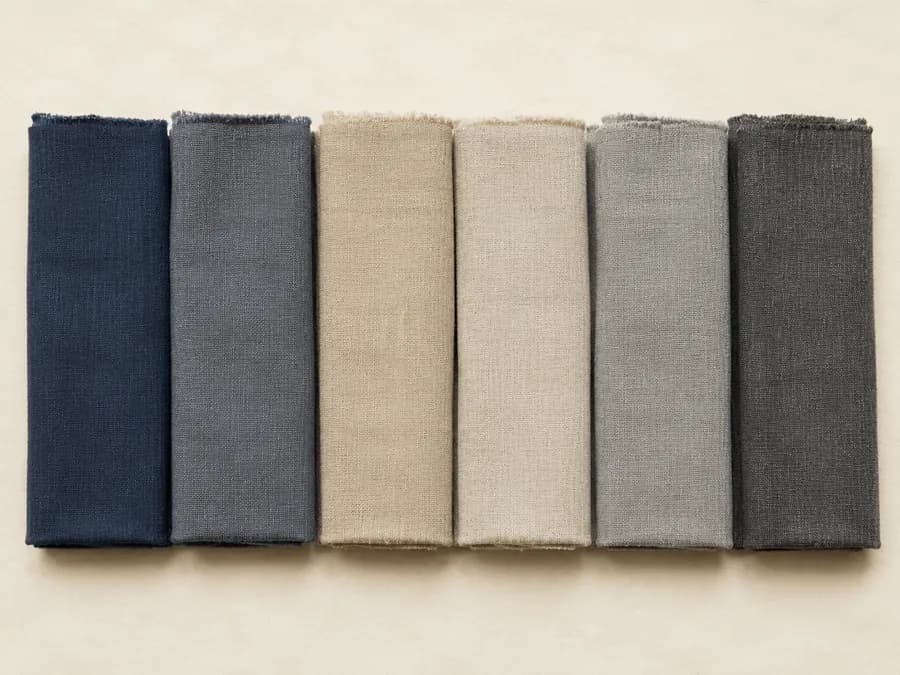
  4. Six folded fabric swatches in muted dyed tones

    04Dyeing

    Where the cloth was dyed, printed or finished.

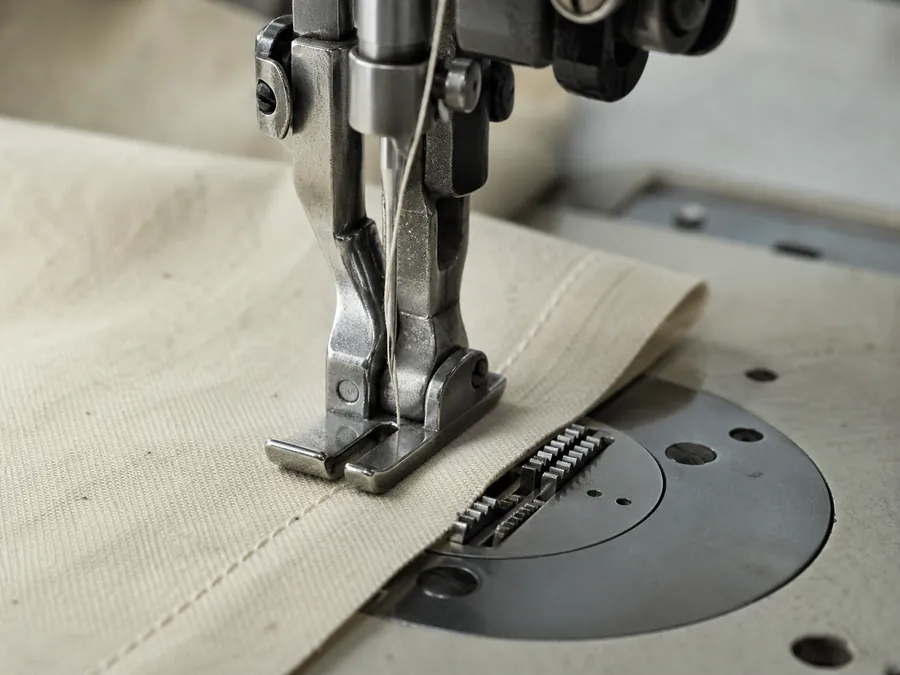
  5. An industrial sewing machine foot mid-stitch on a plain seam

    05Making up

    Where the cloth was cut and sewn into the garment.

  6. A folded plain garment with a blank woven label at the fold

    06Finishing

    Where the finished garment was pressed, labelled and packed.

05General information, not advice

Where a country name on a garment usually points.

An origin mark on a garment generally refers to the place where the last substantial transformation happened — for clothing that is usually where the cloth was cut and sewn. It is generally not a statement about where the fibre was grown, where the yarn was spun, where the cloth was woven, or where it was dyed. Each of those stages can sit in a different country, and a label is generally not required to name any of them.

This is a general explanation of a labelling convention. It is not legal advice, it is not a reading of any particular country’s requirements, and it is not a verdict on whether any particular label is correct.

Where a chain can sit, stage by stage

  1. 01Fibreusually not
  2. 02Spinningusually not
  3. 03Weavingusually not
  4. 04Dyeingusually not
  5. 05Making upusually marked
  6. 06Finishingusually not

06Readings

Four labels, four different amounts of information.

These are the charts the tool draws, at full size. Any brand name read off a label is removed before anything is displayed, shared or exported.

Made in Portugal

5 of 6 not stated

One line, one stage. This is the label almost every garment carries.

  1. Not stated01FibreNot stated
  2. Not stated02SpinningNot stated
  3. Not stated03WeavingNot stated
  4. Not stated04DyeingNot stated
  5. MADE IN PORTUGAL05Making upStated
  6. Not stated06FinishingNot stated
The same six stages, written out
  1. 01FibreNot stated on this label.
  2. 02SpinningNot stated on this label.
  3. 03WeavingNot stated on this label.
  4. 04DyeingNot stated on this label.
  5. 05Making upStated — the label reads “MADE IN PORTUGAL”.
  6. 06FinishingNot stated on this label.

100% cotton, made in Portugal

4 of 6 not stated

The fibre is named. Where it grew is not — those are different facts.

  1. 100% COTTON01FibrePartly stated
  2. Not stated02SpinningNot stated
  3. Not stated03WeavingNot stated
  4. Not stated04DyeingNot stated
  5. MADE IN PORTUGAL05Making upStated
  6. Not stated06FinishingNot stated
The same six stages, written out
  1. 01FibrePartly stated — the label reads “100% COTTON”.
  2. 02SpinningNot stated on this label.
  3. 03WeavingNot stated on this label.
  4. 04DyeingNot stated on this label.
  5. 05Making upStated — the label reads “MADE IN PORTUGAL”.
  6. 06FinishingNot stated on this label.

Fabric woven in Italy

3 of 6 not stated

Two stages named, one material named, three stages still unwritten.

  1. SHELL: 80% WOOL 20% POLYAMIDE01FibrePartly stated
  2. Not stated02SpinningNot stated
  3. FABRIC WOVEN IN ITALY03WeavingStated
  4. Not stated04DyeingNot stated
  5. MADE IN ITALY05Making upStated
  6. Not stated06FinishingNot stated
The same six stages, written out
  1. 01FibrePartly stated — the label reads “SHELL: 80% WOOL 20% POLYAMIDE”.
  2. 02SpinningNot stated on this label.
  3. 03WeavingStated — the label reads “FABRIC WOVEN IN ITALY”.
  4. 04DyeingNot stated on this label.
  5. 05Making upStated — the label reads “MADE IN ITALY”.
  6. 06FinishingNot stated on this label.

Three labels, three answers

5 of 6 not stated

Three labels on one garment, giving three different answers. We show all three and leave the reading to the brand.

  1. Not stated01FibreNot stated
  2. Not stated02SpinningNot stated
  3. Not stated03WeavingNot stated
  4. Not stated04DyeingNot stated
  5. MADE IN PORTUGAL05Making upStated
  6. Not stated06FinishingNot stated
The same six stages, written out
  1. 01FibreNot stated on this label.
  2. 02SpinningNot stated on this label.
  3. 03WeavingNot stated on this label.
  4. 04DyeingNot stated on this label.
  5. 05Making upStated — the label reads “MADE IN PORTUGAL”.
  6. 06FinishingNot stated on this label.

07Three plans

Free for a few labels. Paid for a wardrobe.

One garment's chart is a one-off realisation. What is actually useful is putting a whole wardrobe side by side, and sending the questions.

All prices in USD, inclusive of tax. No credit packs, no stored balance, and the monthly allowance does not carry over.

  • Free

    USD 0 / month

    No card required

    Enough to read a few labels and see how much of the chain they leave blank.

    • 5 items a month
    • Six-stage chart for every item
    • Questions for every blank stage
    • The blank-stage notice and the limits of what we know, always visible
  • Thread

    Most chosen

    USD 8 / month

    or USD 77 a year

    For reading a whole wardrobe rather than one garment at a time.

    • Unlimited items
    • No watermark
    • Question-list export as text or PDF
    • Wardrobe file: every label you have read, kept together
  • Weave

    USD 24 / month

    or USD 230 a year

    For comparing many items at once and seeing which stages go unnamed most often.

    • Everything in Thread
    • Batch upload
    • Cross-item comparison across the whole wardrobe file
    • Priority queue
Compare the three plans

One question in chat: 1 · Reading one label photo: 2 · One six-stage chart with its question list: 5

08Questions

Including the two we get asked most.

Two of these are about what this tool refuses to do. Those are the important ones.

01Is this brand hiding something?

We do not make that judgement, about this brand or any other, and the tool is not built to support it.

A blank stage means one thing only: this label does not state it. Most of the gaps you will see exist because labelling conventions and labelling requirements simply stop at a certain point — a garment label is generally not expected to name where the fibre was grown or where the yarn was spun. An unwritten stage is the normal condition of a garment label, not a sign that anything has been withheld.

We show what is written and what is not written. What follows from that is yours to decide, with better questions than you had before.

02Can you look up which factories this brand uses?

No. This is worth being exact about.

Traceback reads the label you photograph and nothing else. It connects to no supply-chain database, consults no brand file, and holds no record of any brand’s suppliers, factories, mills or purchasing. We know nothing about any brand’s actual production arrangements, and we will never tell you that we do.

What we can do is turn a blank stage into a specific, answerable question addressed to the one party who does know: the brand itself.

04What happens to the photographs I upload?

Your label photographs are never used to train any model. That is a contractual bar on the provider that runs the inference, not a preference of ours.

Photographs are deleted automatically 30 days after upload, and you can delete any of them sooner from the item itself. Charts and question lists generated from them are kept while your account is open and removed within 30 days of it closing. The full table is in the politique de confidentialité.

05How accurate is the reading?

The stage chart is drawn from the text read off your photograph, and reading text off a small woven label in ordinary light is imperfect. Words are misread, faint printing is missed, and a label that is folded or worn may be read incompletely.

So: quoted words are shown exactly as they were read, so you can check them against the label in your hand, and you should. Everything the tool produces is a reading of a photograph, not a finding of fact about a garment. See the avertissement IA.

06How does the subscription work, and how do I stop it?

Three plans, billed monthly or yearly in USD, inclusive of tax. A subscription renews automatically at the end of each period until you cancel it, at the price shown when you subscribed.

Cancelling takes the same number of clicks as subscribing: it is on your billing page, it takes effect at the end of the period you have already paid for, and it needs no email, no phone call and no reason.

Your monthly allowance covers use of the service for that month. It is not money, not a stored balance, not exchangeable for cash and not transferable, and it does not carry over. There are no credit packs and nothing to top up. See the CGV and the droit de rétractation.

07Can I get my money back?

As a consumer you have fourteen days to withdraw from a distance contract. For a digital service that starts immediately, that right ends early only if you have expressly asked for it to start within those fourteen days and expressly waived the right — two separate boxes at checkout, neither pre-ticked, both repeated in your order confirmation email.

If you did not tick both, the fourteen days run as normal and you can withdraw for a full refund. The standard withdrawal form is on the rétractation page. Beyond that, cancelling stops the next renewal; the period already paid for runs to its end.

08Is there an age limit?

You must be at least 15 to hold an account, and under 18 you need your parent or guardian to agree to the terms with you. Anyone under 15 may not create an account.

Find a garment. Photograph the label.
See how far it actually goes.

Five items a month at no cost, no card, and the reader on this page needs no account at all.